Home Inspection Tips for Buyers
September 2026
Don’t Skip This Critical Step Before Buying a Home
Every year, thousands of homebuyers in Maryland and across the country face avoidable repair costs—some totaling thousands of dollars—simply because they overlooked one essential step: a professional home inspection.
Whether you’re eyeing a charming historic property in Cambridge or a modern build in a growing suburban community, unseen structural, electrical, or plumbing issues can turn your dream home into a financial burden.
A comprehensive home inspection isn’t just a formality—it’s a powerful tool that gives you clear insight into the true condition of a property before you commit.
In this guide, you’ll learn exactly why home inspections matter, what licensed inspectors evaluate during a standard assessment, and how their findings can influence your negotiation power. You’ll discover the most commonly overlooked red flags, from foundation cracks to outdated HVAC systems, and gain practical tips on how to prepare for inspection day.
Most importantly, you’ll understand how taking this proactive step protects your investment and provides long-term peace of mind. Stay informed, stay confident, and make every home-buying decision with clarity and confidence.
Top 5 Things Home Inspectors Look For (So You Know What Matters)
When buying a home in Maryland’s Eastern Shore or surrounding regions, understanding what professionals evaluate during an inspection can ease your mind and protect your investment.
A thorough home inspection uncovers hidden concerns before closing, helping buyers negotiate repairs or pricing. Here are the top five areas inspectors prioritize—and what you should know about each.
1. Roof Condition and Drainage Systems
Inspectors examine shingle wear, flashing integrity, and gutter performance. Signs of sagging, missing tiles, or water pooling suggest potential leaks that could damage interiors over time. Proper slope and downspout placement are essential, especially in areas prone to seasonal storms.
2. Foundation Stability and Cracking Patterns
From foundation shifts to moisture intrusion, structural issues are red flags. Inspectors check for uneven floors, widening cracks, or efflorescence (white chalky residue) indicating water seepage—common in older homes with clay soils.
3. Electrical System Safety and Code Compliance
Outdated wiring, overloaded panels, or improper grounding pose fire risks. Inspectors verify breaker function, outlet polarity, and whether the system meets current safety standards, crucial in historic homes.
4. HVAC Efficiency and Age
Heating and cooling systems are evaluated for operational performance, duct integrity, and expected lifespan. A failing furnace or ancient AC unit may require immediate replacement—factoring into your long-term budget.
5. Plumbing and Water Damage Indicators
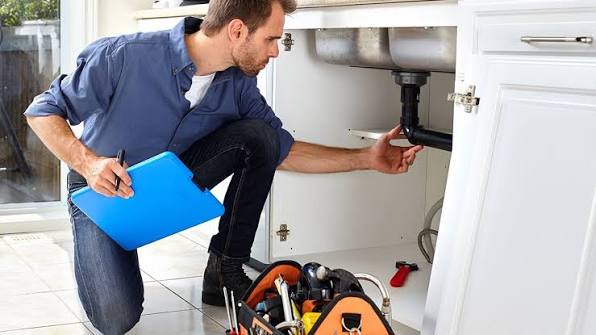
Leaky pipes, low water pressure, and corroded fixtures get close attention. Inspectors also look under sinks and around water heaters for mold, rust, or past flooding—especially important near coastal zones.
Watch for These Regional Red Flags During Your Eastern Shore Home Inspection
When buying a home on Maryland’s Eastern Shore, being aware of common structural and system concerns can save you thousands down the line. The coastal climate, high humidity, and proximity to water contribute to specific issues that buyers should proactively inspect.
Foundation Settlement is frequent due to the region’s expansive clay soils, which shift with moisture changes. Look for diagonal cracks in block walls, sticking doors, or uneven floors—signs of potential movement. In older homes, deteriorating piers or corroded crawl space supports are also common.
Roofing Systems often show premature wear from salt-laden air and prolonged sun exposure. Check for curled or missing shingles, deteriorated flashing around chimneys, and soft spots in the decking. Many homes still have aging wood shake roofs nearing the end of their lifespan—these may not meet current insurance standards.
Plumbing concerns frequently include galvanized steel pipes, which corrode over time, and outdated polybutylene lines prone to failure. Given the area’s well-water usage, sediment buildup and low water pressure can signal deeper system issues.
Have your inspector evaluate sump pumps, vapor barriers, and drainage grading—especially critical in flood-prone zones. Knowing these regional risks helps you negotiate repairs or walk away confidently.
Master Your Home Inspection Day: A Step-by-Step Preparation Guide
Walking into your home inspection prepared can make all the difference in uncovering hidden issues and feeling confident in your purchase. Follow these practical steps to get ready and know exactly what to ask on inspection day.
1. Schedule Smart
Book your inspection within your due diligence period and allow at least 2–3 hours for a standard home. Choose a weekday if possible—fewer scheduling conflicts mean more flexibility with timing.
2. Gather Key Documents
Collect any property disclosures, seller-provided repair records, or previous inspection reports. Having these on hand helps the inspector identify recurring issues or verify past fixes.
3. Prepare Your Questions
Walk through the home with your inspector and ask:
What are the top three safety concerns?
Which systems are nearing end-of-life?
What maintenance should I prioritize in the first year?
These answers clarify post-purchase priorities.
4. Clear Access Points
Ensure attics, crawl spaces, electrical panels, and HVAC units are unobstructed. Trim landscaping near the foundation and unlock gates to exterior areas.
5. Attend the Inspection
Be on-site to observe findings in real time. Not only do you gain firsthand knowledge of the property, but you’ll better understand regional concerns—like moisture intrusion in coastal areas such as Cambridge, MD.
Take notes, snap photos, and request a detailed written report within 24 hours to review with your real estate team.
Common Questions About Home Inspections Answered
How much does a home inspection typically cost in Maryland?
Home inspection fees in Maryland generally range from $300 to $500, depending on the property’s size, age, and location. Older homes or larger properties may require more detailed evaluations, which can influence the final price. Factors like structural components—such as crawl spaces, attics, or detached structures—can also affect the overall cost.
How long does a standard home inspection take?
Most inspections take between 2 to 4 hours to complete. The duration depends on the home’s condition, square footage, and accessibility of key systems like heating, plumbing, and electrical. Older homes in areas like Cambridge or Annapolis may take longer due to outdated materials or previous modifications.
Should I attend the home inspection?
Yes, buyer attendance is highly encouraged. Being present allows you to see potential issues firsthand, ask questions in real time, and gain a clearer understanding of maintenance needs.
It’s also an opportunity to learn about the home’s systems—from the water heater to the HVAC—before closing.
What exactly does a home inspector evaluate?
Inspectors assess major components including:
- Roof condition and attic structure
- Foundation and basement or crawlspace
- Plumbing, electrical, and HVAC systems
- Windows, doors, and insulation
- Interior and exterior walls, floors, and ceilings
Can a house fail a home inspection?
No. A home inspection isn’t a pass-or-fail test.
Instead, it provides a detailed condition report outlining safety concerns, necessary repairs, and maintenance recommendations to help buyers make informed decisions.
Why Skipping the Inspection Isn’t Worth the Risk
Purchasing a home is one of the most significant financial decisions most people will ever make—especially in markets like Maryland’s Eastern Shore, where coastal conditions and seasonal weather can impact property integrity over time.
That’s why a professional home inspection isn’t just a formality; it’s a vital safeguard.
From uncovering hidden structural concerns to identifying potential safety hazards in electrical, plumbing, or HVAC systems, a thorough inspection delivers clarity and peace of mind. You’re not just reviewing a checklist—you’re gaining a comprehensive understanding of your future home’s condition, which empowers smarter negotiation, informed decision-making, and long-term cost savings.
Don’t leave potential red flags undetected until after closing.
As part of your due diligence, always schedule a licensed inspection before finalizing your purchase. Look for inspectors with local experience who understand regional challenges, such as moisture intrusion or aging foundations common in older Chesapeake homes.
Take action now—secure your investment by making the inspection a non-negotiable step in your homebuying journey.
Protect your family, your finances, and your future by knowing exactly what lies behind the walls of your potential new home.
